
Journal · Industry data
What a kitchen renovation actually involves
Houzz’s 2026 UK kitchen study publishes no spend figure — but its scope data explains where the money goes better than any average could. Nearly four in five projects replace every cabinet, and half move the walls.
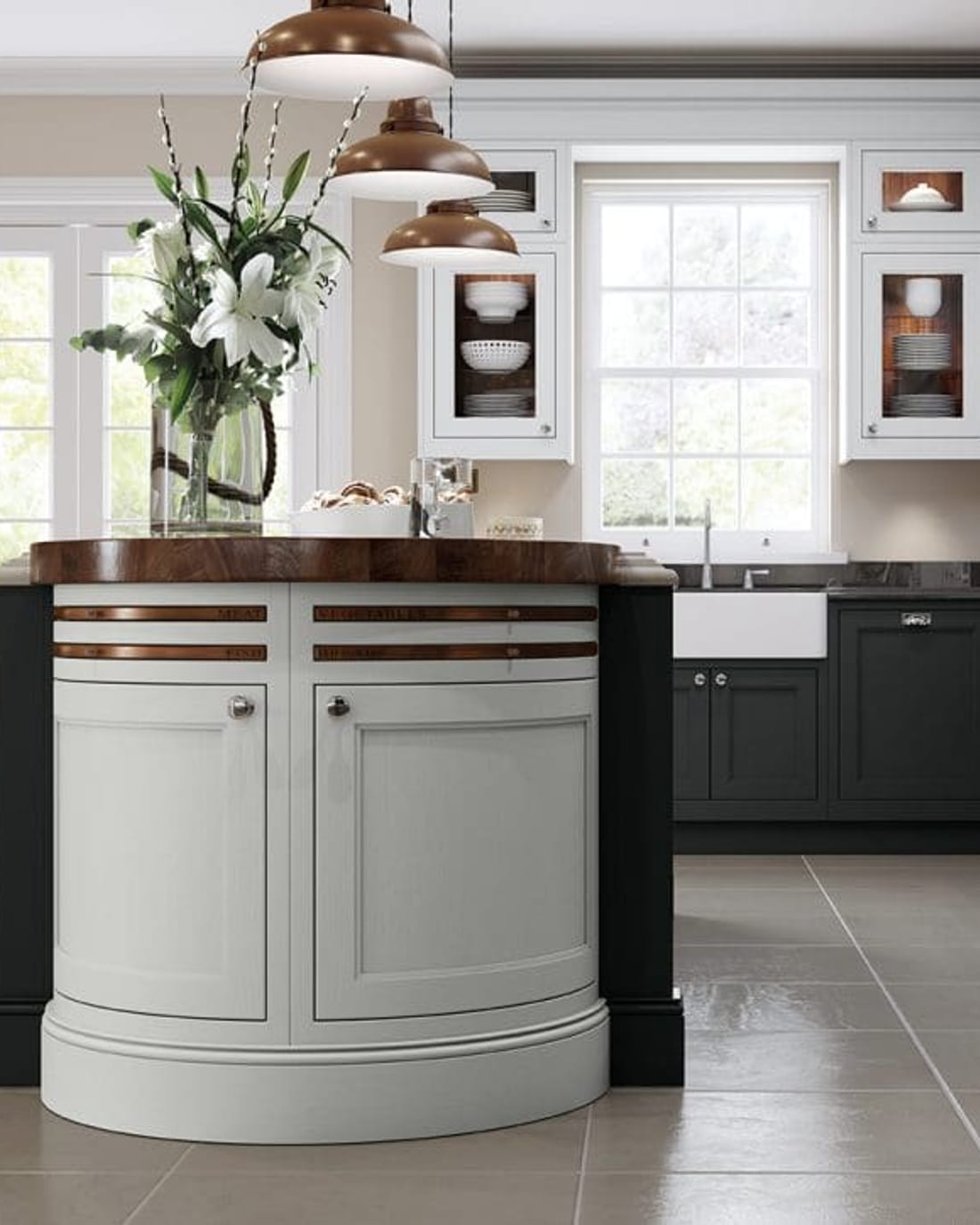
The 2026 UK Houzz Kitchen Trends Study — 402 homeowners surveyed in November and December 2025 — publishes no price for a kitchen. What it publishes is scope: what people actually did to the room. And the scope data says more about where the money goes than any average ever will. Start with the sharpest number in it: 78% of renovating homeowners replaced every cabinet in the room.
That is the quiet fact underneath every kitchen budget conversation. Cabinetry is the largest single line in most projects, and nearly four in five projects specify it from scratch. Only 6% managed with a partial replacement.
The headline numbers
replaced every cabinet in the kitchen
changed the kitchen’s footprint
hired at least one professional
chose ovens with speciality features
The walls move more often than you’d think
Half of these projects (51%) changed the size of the kitchen, and the changes were not timid: 23% enlarged the room by more than half its original size. A footprint change is the most expensive decision in the study — it brings structural work, services moved, flooring made good, and every trade on site for longer. It is also the decision that makes a walk-in pantry or a proper larder possible at all, which is why it belongs at drawing stage rather than after the cabinetry is priced.
How much renovated kitchens grew
Share of UK homeowners changing their kitchen’s size during renovation, 2026 study
| Grew by more than 50% | 23% | |
|---|---|---|
| Grew by 25–50% | 17% | |
| Grew by under 25% | 11% |
The remaining 49% kept the original footprint. Source: 2026 UK Houzz Kitchen Trends Study (n=402, surveyed November–December 2025).
Almost nobody keeps the cabinets
Cabinet upgrades are close to universal at 98%, and the interiors are where the specification quietly deepens: 95% built speciality storage into the new cabinetry. Cutlery organisers led at 78%, pull-out waste and recycling at 55%, deep drawer organisers at 45%, dedicated spice storage at 36%. None of these appears in the photograph a kitchen gets judged by, and every one of them is joinery, hardware and fitting time.
The price of a kitchen is set by decisions that never appear in the photograph.
Surfaces, appliances and who you hire
The materials data moves the same way. Slab splashbacks are now in 71% of renovated kitchens, up nine percentage points in a year, with engineered quartz the leading material at 36% — up thirteen points. On appliances, 69% chose ovens with speciality features such as automated cooking programmes, and 37% specified fridges or freezers with added functionality. Each of those choices is a real line on a real quote.
And the people: 90% hired at least one professional. Tradespeople were the most in demand at 58%, kitchen designers were engaged by 42%, kitchen fitters by 41%, and builders and architects by 27% each. When half of projects are moving walls, that list is not a luxury — it is the shape of the work.
What we’d take from it
Read as a cost story, the study gives you five drivers that move any kitchen — bespoke or not — through its price range: whether the layout changes, how far the cabinetry goes (and 78% go all the way), what is built into it, the surfaces chosen, and the depth of installation behind them. If you are planning a project in Cheshire, those five questions are worth settling in order, because the first one decides what the other four are allowed to cost.
The honest caveat: this is a national sample of Houzz users renovating at every level, not a bespoke benchmark — and Houzz’s open 2026 materials publish no UK kitchen spend figure at all. Any ‘average kitchen cost 2026’ number you read online traces to no published method we can find. The scope data above is what the evidence actually supports, and it is the better guide: price follows scope, and the scope is yours to decide.